Coverage: Tuesday, November 17, 2026, New York time. Published Wednesday, November 18. Tuesday was a regular U.S. trading day. After-hours results are separated below from the completed cash session.
A weak close and a different after-hours story
[Reuters’ global markets report](https://www.reuters.com/world/china/global-markets-global-markets-2026-11-17/) recorded Tuesday declines of 1.64% for the Dow, 1.03% for the S&P 500 and 0.74% for the Nasdaq Composite. The important sequencing point came afterward: NVIDIA released its quarterly results following the regular session. The closing indexes therefore cannot be presented as a verdict on financial statements that were not yet public when the session ended.
In its [issuer release](https://investor.nvidia.com/news/press-release-details/2026/NVIDIA-Announces-Financial-Results-for-Third-Quarter-Fiscal-2027/default.aspx), NVIDIA reported $115.8 billion in quarterly revenue and forecast $130 billion, plus or minus 3%, for the following quarter. That supplies a new operating benchmark for the AI investment debate. Revenue already earned and revenue projected are different categories, however. Our Stocks article examines that distinction alongside software share declines and Home Depot’s report, so readers can compare operating evidence with market sentiment without merging the two.
Spending and production point in different directions
The [Census Bureau’s October retail report](https://www.census.gov/retail/marts/www/marts_current.pdf?release=20261117), released Tuesday, estimated a 0.2% monthly sales increase. Its confidence interval included zero, and the figures were not adjusted for prices. The headline is therefore an estimate of a small dollar-sales gain, not proof of a comparable increase in the amount of merchandise people bought. That matters when trying to understand whether consumers are purchasing more or simply paying more.
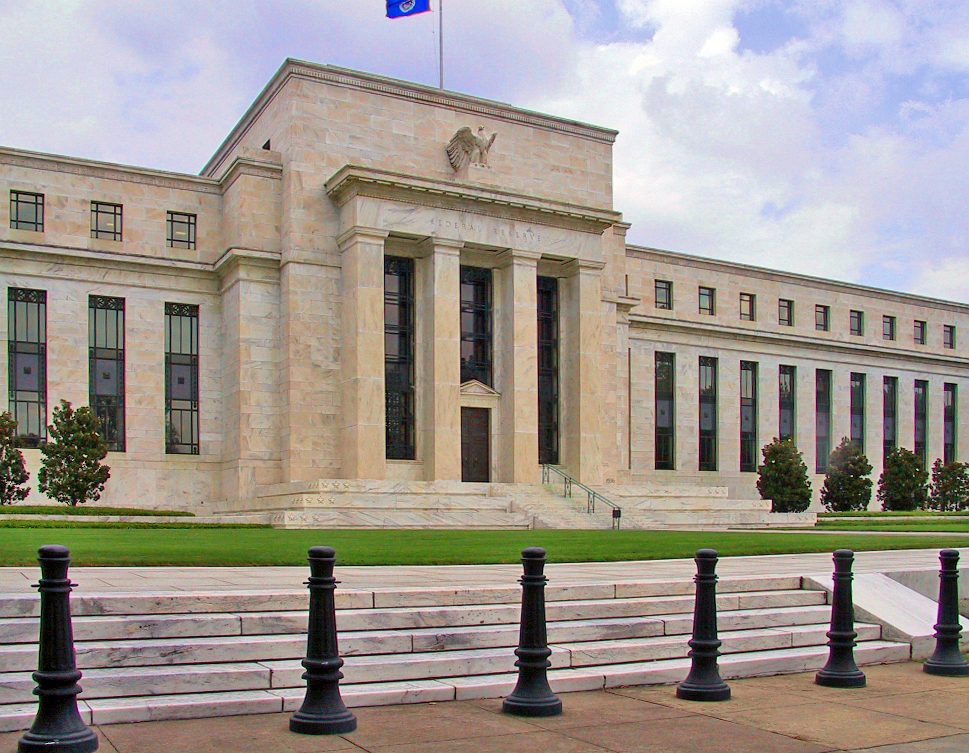
Separately, the [Federal Reserve’s industrial report](https://www.federalreserve.gov/releases/g17/20261117/g17.pdf) showed October output declining 0.4% while manufacturing rose 0.3%. Industrial production includes more than factories, so those numbers are not contradictory. Our Economy article looks at the components and the measurement differences. Together, the releases suggest that readers should resist a single label for the whole economy: spending, factory activity and utility output can move differently even within the same month.
Higher-rate arguments meet corporate compliance changes
[St. Louis Fed President Alberto Musalem](https://www.stlouisfed.org/from-the-president/remarks/2026/remarks-on-us-economy-and-monetary-policy-argentina) said Tuesday that several rate increases would likely be needed before spring 2027. That was one policymaker’s assessment, not an announcement that the Federal Open Market Committee had raised rates that day. His remarks make the inflation outlook important for borrowing decisions, but they do not settle the size or timing of a future committee decision.
[NVIDIA also announced a standing board committee](https://nvidianews.nvidia.com/news/nvidia-board-of-directors-establishes-national-security-and-export-control-oversight-committee) for national-security and export-control oversight. It is a corporate governance measure, distinct from a government rule or an export license. The Policy article explains both developments and why their practical consequences depend on implementation. A higher-rate argument can influence expectations before any vote; a new oversight body can change internal accountability without itself authorizing a transaction or resolving every regulatory question.
The next checks are concrete
The [issuer’s Anthropic timetable](https://ipo.anthropic.com/us/) anticipates IPO pricing today, November 18, subject to regulatory clearance, and a first trading day tomorrow, November 19. These remain expected milestones rather than completed outcomes in this edition. The offering price, the first market trade and the closing of an offering are different events. Keeping them separate prevents a scheduling headline from being mistaken for a verified transaction or investment return.
The [IPO & Earnings Calendar](https://daybookbrief.com/calendar) has been refreshed for November 16–22 and November 23–29. It now identifies NVIDIA and Home Depot’s Tuesday reports and Target’s separately dated Wednesday release. Existing coverage links remain intact, and missing publication times are labeled. This is selected public-source coverage: the aggregate Nasdaq IPO feed did not provide usable data, so we cannot claim a complete listing schedule. Upcoming reports should add evidence about demand, margins and cash generation; this edition does not guess their results.