Covering Friday, November 6, 2026. This Saturday edition reports Friday's completed U.S. trading session; regular U.S. stock trading is closed for the weekend. Earlier decisions and upcoming company announcements are dated separately.
A stronger hiring number changes the conversation
Employers added 165,000 payroll jobs in October, while unemployment stood at 4.1%, the Bureau of Labor Statistics reported Friday. [1] That is useful evidence of continued hiring, but it is a national snapshot rather than a guarantee that every job seeker will find work quickly. The release describes October activity, not hiring that happened on the day the numbers were published.
Our interpretation is that the report strengthens the case for examining growth and inflation together. More employment can support spending, yet businesses still have to decide whether orders justify additional staff and investment. Readers should resist treating one monthly number as a complete economic diagnosis. Industry differences, working hours and subsequent revisions can change how the same headline should be understood.
A rebound closes the week without repairing it
The Nasdaq Composite gained 1.1% Friday, while the S&P 500 rose 0.3% and the Dow fell 0.5%, according to AP's closing scoreboard. The Nasdaq still lost 3.4% over the week. [2] Those different time horizons explain why a positive session can coexist with a difficult stretch for investors: Friday offered relief, but it did not reverse the cumulative decline.
The arithmetic matters. After a hypothetical investment falls from $100 to $90, a 10% gain takes it only to $99. A rebound percentage cannot simply be subtracted from an earlier decline to establish recovery. Our assessment is that the same care should be applied to market narratives: a change in sentiment is observable in prices, whereas confirmation of stronger future profits requires additional company evidence.
Households sound less pessimistic, but timing matters
The University of Michigan's preliminary November sentiment index rose to 51.0 from 48.0. Its interviews ended November 2, before the election results and Thursday's sharp market decline. [3] The release therefore offers an earlier view of household confidence, not a measured response to everything that happened during the final days of the trading week.
For readers, that survey cutoff is essential context. It is tempting to connect any Friday statistic to the week's biggest political event, but publication dates and interview dates answer different questions. Our analysis is that confidence should be assessed alongside actual income, prices and purchases. A household can feel somewhat better about its prospects while still postponing a large expense or struggling with recurring bills.
A tariff pledge is a policy direction, not a repeal
Representative Richard Neal said Friday that he intends to reverse tariffs he opposes, Reuters reported. The report also noted that he did not present a detailed legislative agenda and that presidential opposition would complicate reversal. [4] This is an announcement of political intent. It does not mean importers received a new tariff schedule or that previously applicable duties disappeared Friday.
The distinction is practical for a business placing orders. A future reduction could affect sourcing decisions, but its usefulness depends on which products qualify, when it starts and whether it survives the legislative process. Our view is that expectations can change immediately while operating costs change later. Readers should look for an actual measure and its implementation terms before treating political language as an accomplished financial benefit.
Next comes evidence, not a predetermined outcome
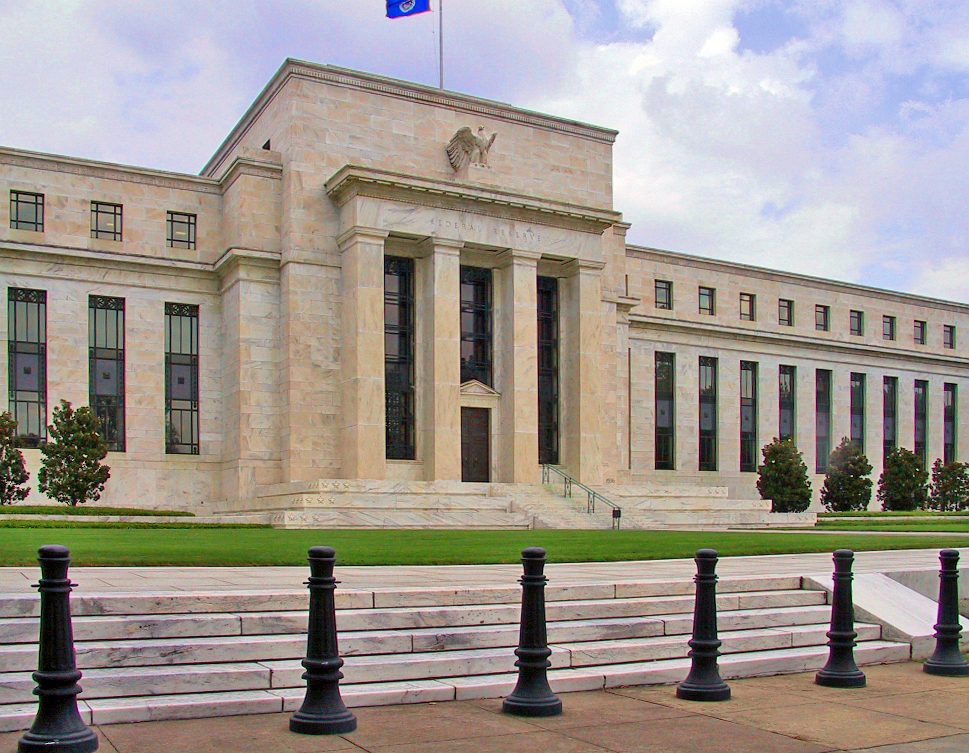
The Federal Reserve's October 28 decision kept its target range at 3.75%–4.00%; that is background, not a new Friday action. [5] On the company calendar, Cisco has scheduled an after-close earnings release for November 12 and a separate 4:30 p.m. Eastern call. [6] The [IPO & Earnings Calendar](https://daybookbrief.com/calendar) tracks selected verified events and clearly marks gaps.
Those next disclosures can help test whether economic strength is translating into business performance. Revenue, costs and cash generation should be read together rather than reduced to a single headline. The useful question is not whether every Friday development points in the same direction, but which evidence bears on each decision: employment for income, prices for purchasing power, company results for earnings and enacted measures for policy.